
Is Kyoto Safe for Tourists?
By Wayscore Travel Desk · Updated October 1, 2026 · Last reviewed October 4, 2026
Quick answer
Yes, Kyoto is one of the safest cities in the world for visitors. The US State Department rates Japan Level 1: Exercise normal precautions, its lowest level. Violent crime against tourists is extremely rare. The main things to manage are overcrowding at famous temples, bicycle and train etiquette, and the occasional overcharging taxi or bar in nightlife districts.
The official travel advisory
The State Department's advisory for Japan, last updated May 14, 2025, sits at Level 1, the lowest tier it issues. It carries no country-specific crime or terrorism warning and simply asks travelers to use the same general precautions recommended anywhere abroad.
Kyoto's current level on the US State Department's 4-step scale.
Kyoto itself has no separate advisory; it falls under the single nationwide Japan rating. Local police (koban boxes) are stationed every few blocks in the city center, including near Kyoto Station and Gion, and officers are used to giving directions to lost tourists.
Safest areas to stay in
Kyoto is a city of quiet, well-lit neighborhoods. Almost anywhere near the center or along the main rail lines works as a base, and the choice usually comes down to proximity to temples versus nightlife.
Higashiyama
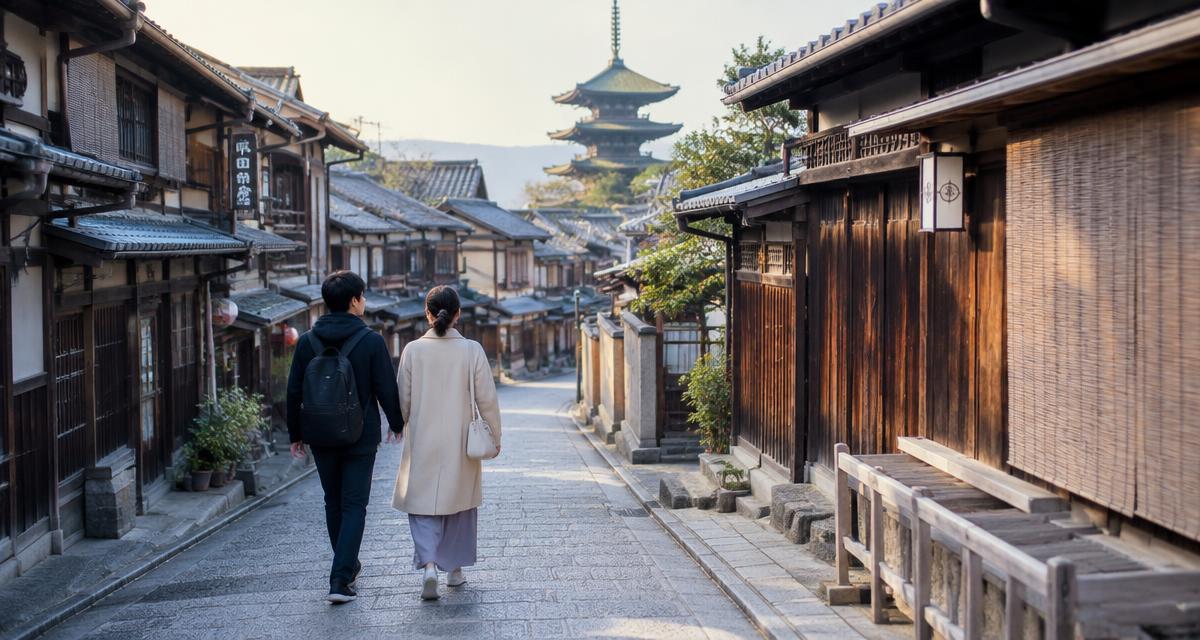
Lantern-lit lanes below the eastern hills, close to Kiyomizu-dera and Gion. Busy by day, calm and safe at night.
Kawaramachi / Downtown
Shopping arcades, restaurants and the Pontocho dining alley, with the best late-night transit links.
Near Kyoto Station
Modern hotels, direct trains to Osaka and Nara, and easy luggage logistics.
Arashiyama
Quieter, riverside, and good for families, though it empties out after the bamboo grove closes.
Where to take extra care
Kiyomizu-dera & the Gion geisha lanes
Not dangerous, but severely overcrowded at midday. Private alleys around Gion now fine tourists for photographing geiko without permission.
Kiyamachi-dori bar strip
A handful of touts work this nightlife street, usually aiming to overcharge at hostess bars rather than commit crime.
The real risks, ranked
| Risk | How likely | How to avoid it |
|---|---|---|
| ● Bar and hostess-club overcharging | Occasional | Ignore touts on Kiyamachi-dori who invite you in for a 'free' first drink; bills can run into hundreds of dollars. |
| ● Bicycle and train etiquette mistakes | Common | Walk bikes through crowded lanes, stand to one side on escalators, and keep phone calls off trains. |
| ● Heat and humidity in summer | Common | July and August are hot and sticky; carry water and plan temple visits for early morning. |
| ● Overtourism at famous sites | Common | Visit Fushimi Inari or Arashiyama's bamboo grove before 8am to avoid the worst crowds and pickpocket risk that comes with them. |
| ● Earthquakes | Occasional | Japan is seismically active. Note your hotel's exit routes; alerts are sent to phones automatically. |
| ● Violent crime | Very rare | Kyoto has one of the lowest violent crime rates of any major tourist city; normal awareness is enough. |
Stay near Higashiyama or Kyoto Station for easy, safe access to temples and trains.
Affiliate links: we may earn a commission if you book, at no extra cost to you.
10 safety tips that actually matter
- 1.Carry cash. Many small restaurants, temples and taxis in Kyoto are still cash-only.
- 2.Buy an ICOCA or Suica card for trains and buses; it removes the hassle of ticket machines.
- 3.Visit major temples at opening time, both for crowds and for cooler morning temperatures.
- 4.Don't photograph maiko or geiko in private alleys in Gion; fines of up to ¥10,000 apply.
- 5.Keep noise down on trains and buses; phone calls and loud talking are considered rude, not dangerous, but draw unwanted attention.
- 6.If a bar has no visible price list, ask the cost before ordering.
- 7.Rent a bicycle if you plan to explore Arashiyama or the Kamo riverside; lock it at designated parking areas to avoid impoundment.
- 8.Keep your passport or a copy on you; hotels and some sites require ID.
- 9.Save the emergency numbers: 110 for police, 119 for ambulance or fire.
- 10.Register your trip with your embassy through a program like the US STEP system.
Is Kyoto safe for solo female travelers?
Kyoto is considered very safe for women traveling alone, including at night, by Japanese and international standards. Groping on crowded trains during rush hour is the most commonly reported issue; some train lines run women-only cars at peak times, marked with pink signage, and using them is a simple precaution. Walking back to a hotel late from Gion or Kawaramachi is routine for women and rarely causes concern, though normal city awareness still applies.
Frequently asked questions
Is Kyoto safe for tourists?+
Yes. Kyoto is one of the safest major tourist cities in the world. The US State Department rates Japan Level 1 (Exercise normal precautions), and violent crime against visitors is extremely rare.
Is Kyoto safer than Tokyo?+
Both share Japan's Level 1 advisory and similarly low crime rates. Kyoto is smaller and less crowded outside its handful of famous temples, while Tokyo has more nightlife areas to navigate at night.
Can you drink the tap water in Kyoto?+
Yes. Tap water across Japan, including Kyoto, is safe to drink.
Is it safe to walk around Kyoto at night?+
Yes, including for solo travelers. Streets are well lit and busy even late in the Kawaramachi and Gion areas.
Do I need to tip in Kyoto?+
No. Tipping is not expected in Japan and can confuse staff; good service is simply the standard.
Sources
- US Department of State, Japan Travel Advisory (updated May 14, 2025)
- Japan National Tourism Organization, Kyoto travel information
- Kyoto City Tourism Association safety and etiquette guidance
- Wayscore score methodology
Safety conditions change. Always check the latest official advisory before you travel.