Is Marrakech Safe for Tourists?
By Wayscore Travel Desk · Updated October 1, 2026 · Last reviewed October 4, 2026
Quick answer
Yes, Marrakech is generally safe for tourists, though the US rates Morocco Level 2 due to terrorism concerns. Violent crime against visitors is low; the more common challenges are navigating the medina's maze of alleys, persistent touts, and overcharging on taxis and goods. A little street sense goes a long way.
The official travel advisory
The State Department's advisory for Morocco, reissued after periodic review on April 20, 2025, sits at Level 2 due to terrorism. It notes that terrorist groups continue plotting possible attacks and that targets could include tourist locations, transportation hubs, markets, shopping malls and government facilities, with little or no warning.
Marrakech's current level on the US State Department's 4-step scale.
The advisory's practical guidance is mostly about general awareness: stay alert in tourist spots, avoid demonstrations and crowds, and enroll in a traveler program such as STEP. It does not flag Marrakech specifically above other Moroccan cities, and the much more common day-to-day issue for visitors is petty scams rather than any security threat.
Safest areas to stay in
Marrakech splits cleanly between the historic medina and the newer city, and both can work as a base depending on what kind of trip you want.
Medina (around Jemaa el-Fnaa)
Stay in a riad for the classic experience; busy, atmospheric, and safe with normal awareness.
Gueliz
The modern new town, easier to navigate, with wider streets, international restaurants and calmer nights.
Hivernage
Upscale hotel district near Gueliz, quiet and well maintained.
Where to take extra care
Jemaa el-Fnaa square at dusk
Spectacular but full of persistent vendors, henna artists and photo-fee tricks; agree on any price before engaging.
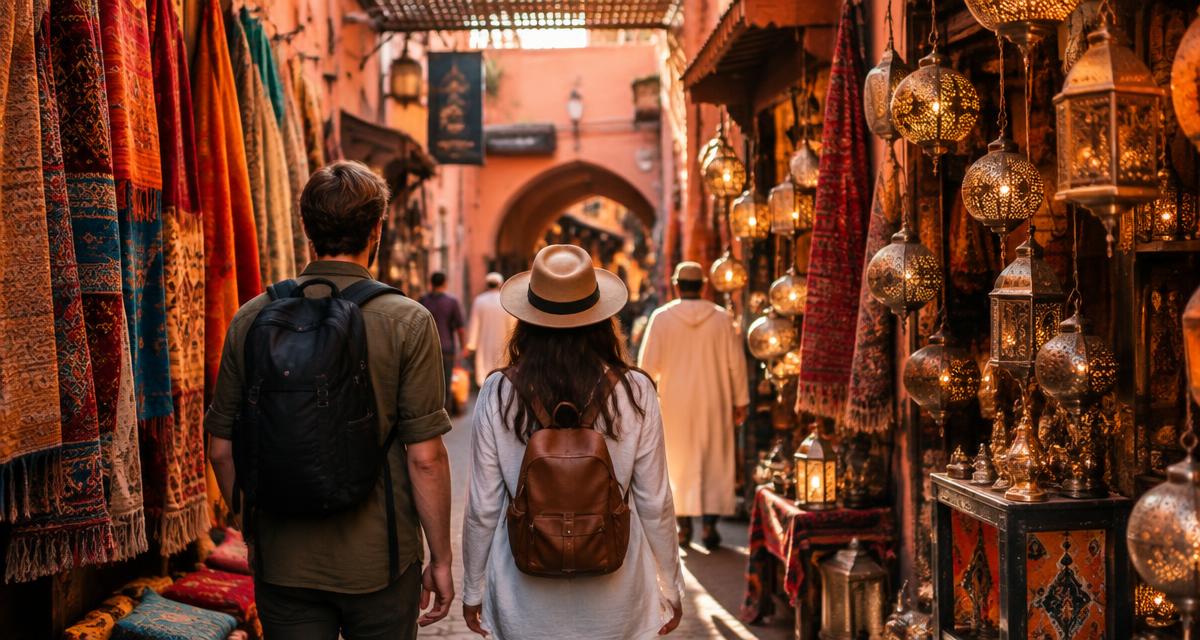
Deep medina souks
Not dangerous but genuinely disorienting; unofficial 'guides' often appear offering help, then demand payment.
The real risks, ranked
| Risk | How likely | How to avoid it |
|---|---|---|
| ● Unofficial guides and fake directions | Very common | Politely decline unsolicited help; use an offline map app and only hire guides through your riad or a licensed operator. |
| ● Overcharging on taxis and goods | Common | Insist taxi drivers use the meter or agree a price first; bargain in souks where prices are rarely fixed. |
| ● Aggressive henna artists and photo fees | Common at Jemaa el-Fnaa | Decline firmly before any contact is made; once henna touches skin, a high fee is often demanded. |
| ● Extreme summer heat | Common Jun–Aug | Plan sightseeing for morning and evening; carry water at all times. |
| ● Terrorism (generic national risk) | Low but flagged nationally | Stay alert in crowded tourist areas and avoid any demonstrations. |
| ● Food and water-borne illness | Occasional | Drink bottled water, and ease into street food gradually at busy, high-turnover stalls. |
Book a riad inside the medina for atmosphere, or Gueliz for an easier, more modern stay.
Affiliate links: we may earn a commission if you book, at no extra cost to you.
8 safety tips that actually matter
- 1.Stay in a riad and ask the owner for a map and a first walk-through of the nearest souk entrances.
- 2.Politely but firmly decline unsolicited 'guides'; a simple 'la, shukran' (no, thank you) usually works.
- 3.Agree on taxi fares before getting in, or ask your riad to call a trusted driver.
- 4.Bargain in souks; initial prices are usually inflated for tourists.
- 5.Dress modestly, especially away from hotel pools, out of respect for local norms.
- 6.Carry small-denomination dirhams for tips and minor purchases.
- 7.Avoid letting henna artists touch your skin unless you've already agreed on a price.
- 8.Drink bottled or purified water, and avoid ice outside reputable restaurants.
Is Marrakech safe for solo female travelers?
Solo women do travel to Marrakech, though catcalling and persistent attention from vendors are more frequent here than in many other destinations on this list. Dressing modestly (covering shoulders and knees) reduces unwanted attention, and firmly ignoring unsolicited approaches rather than engaging tends to work better than arguing. Staying in a riad with a helpful owner who can advise on routes, and taking taxis after dark rather than walking through quieter medina alleys, are both common-sense steps many women take here.
Frequently asked questions
Is Marrakech safe for tourists?+
Yes, generally. Violent crime against tourists is rare. The main day-to-day issues are scams, touts and overcharging rather than security risks, and Morocco carries a Level 2 US advisory tied to a generic terrorism warning.
Is it easy to get lost in the Marrakech medina?+
Very. The souks form a dense, unmarked maze. It's not dangerous, but download an offline map and expect to ask for directions, politely declining paid 'help' along the way.
Is tap water safe to drink in Marrakech?+
It's generally treated but not recommended for visitors; stick to bottled or filtered water.
What should I wear in Marrakech?+
Modest clothing covering shoulders and knees is advisable, particularly for women, both out of respect for local norms and to reduce unwanted attention.
Is it safe to walk around Marrakech at night?+
Jemaa el-Fnaa and the main medina routes stay busy and are reasonably safe; quieter side alleys are better navigated by taxi after dark.
Sources
- US Department of State, Morocco Travel Advisory (reissued April 20, 2025)
- Moroccan National Tourist Office (ONMT), official visitor information
- Marrakech Tourism Board, visitor safety guidance
- Wayscore score methodology
Safety conditions change. Always check the latest official advisory before you travel.