

Is Reykjavík Safe for Tourists?
By Wayscore Travel Desk · Updated October 1, 2026 · Last reviewed October 4, 2026
Quick answer
Yes. Reykjavík and Iceland as a whole are consistently ranked among the safest countries in the world. The US State Department rates Iceland Level 1: Exercise normal precautions. Crime against tourists is low; the real risks come from nature itself, including sudden weather changes, volcanic activity and dangerous coastal sneaker waves outside the city.
The official travel advisory
The State Department's advisory for Iceland, last updated May 4, 2026, stays at Level 1 with no change in risk level. It describes Iceland as generally a safe destination, but specifically flags quickly changing weather, active volcanoes, earthquakes and other natural hazards as the things travelers need to plan around.
Reykjavík's current level on the US State Department's 4-step scale.
The advisory also notes that petty crime, including purse snatching and pickpocketing, happens in popular tourist locations, mostly crimes of opportunity rather than targeted theft. Reykjavík's own police force reports very few violent incidents involving tourists each year.
Safest areas to stay in
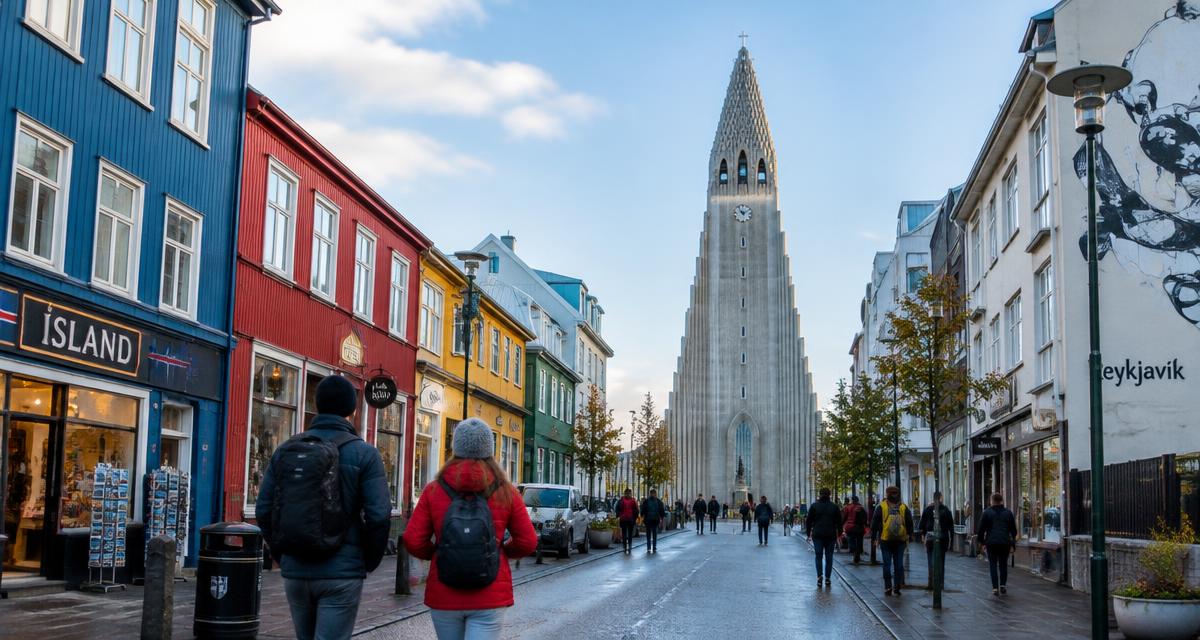
Reykjavík is small and walkable, and almost every neighborhood near the center is safe to walk through at any hour. The choice of area mostly affects your budget and proximity to tour pickup points.
Downtown 101
The compact old center, walkable to restaurants, bars, the harbor and most tour pickups.
Hlíðar
A quieter residential area a short bus or walk from downtown, with cheaper guesthouses.
Grandi (Old Harbour)
A revitalized harbor district with design shops, cafés and whale-watching docks.
Laugardalur
Family-friendly, near the city's geothermal pool and botanical garden.
Where to take extra care
Ring Road & highlands outside the city
Not a crime concern, but self-drive routes can turn dangerous fast in wind, ice or fog. Check road.is before any day trip.
South coast beaches (Reynisfjara)
Sneaker waves have killed tourists who walked too close to the water. Stay well back from the shoreline regardless of how calm it looks.
The real risks, ranked
| Risk | How likely | How to avoid it |
|---|---|---|
| ● Sudden weather changes | Common | Check vedur.is before day trips and dress in layers; conditions can shift within an hour. |
| ● Sneaker waves on black-sand beaches | Rare but serious | Never turn your back on the ocean at Reynisfjara or similar coastal spots; follow posted warning signs. |
| ● Single-lane bridges and gravel roads | Common for self-drivers | Slow down well before single-lane bridges and unpaved stretches of the Ring Road. |
| ● Pickpocketing in tourist crowds | Occasional | Keep bags zipped and in front of you in busy spots like the Blue Lagoon bus terminal or downtown bars. |
| ● Volcanic activity near Grindavík | Localized | Reykjavík itself is unaffected; check safetravel.is before visiting the Reykjanes peninsula. |
| ● Hypothermia and exposure on hikes | Occasional | Tell someone your route, carry warm layers even in summer, and don't hike glaciers without a guide. |
Base yourself in downtown 101 and let guided tours handle the unpredictable roads and weather.
Affiliate links: we may earn a commission if you book, at no extra cost to you.
8 safety tips that actually matter
- 1.Check road.is and vedur.is before any self-drive day trip, even in summer.
- 2.Book glacier walks, ice caves and volcano hikes with a licensed guide rather than going alone.
- 3.Keep well back from the water at black-sand beaches; sneaker waves are unpredictable and powerful.
- 4.Rent a car with good insurance if you plan to drive the Ring Road; gravel and gusty winds catch new drivers off guard.
- 5.Pack for four seasons in one day, regardless of the month.
- 6.Tap water is excellent and free; skip bottled water entirely.
- 7.Tipping is not expected anywhere in Iceland, including restaurants and taxis.
- 8.Save 112 for all emergencies, including mountain rescue; there is also a 112 Iceland app that shares your location.
Is Reykjavík safe for solo female travelers?
Iceland regularly tops global safety rankings for women traveling alone, and Reykjavík is no exception; walking around downtown at any hour draws little concern. The more relevant precautions relate to the outdoors rather than the city: solo hikers and campers should tell someone their plans, since help can take time to arrive outside populated areas. Nightlife in downtown bars is generally easygoing, though normal drink awareness still applies.
Frequently asked questions
Is Reykjavík safe for tourists?+
Yes, very. Iceland is rated Level 1 by the US State Department, and Reykjavík has one of the lowest violent crime rates of any capital city. The main risks are weather and natural hazards, not crime.
Is it safe to drive in Iceland?+
Yes with care. Roads can be narrow, gravel, or affected by wind and ice outside summer. Check road.is before departing and slow down for single-lane bridges.
Can you drink the tap water in Reykjavík?+
Yes, it's some of the cleanest tap water in the world and free almost everywhere.
Is it safe to walk around Reykjavík at night?+
Yes. Downtown stays busy and well lit, and solo walking at night is common and considered normal.
Do I need travel insurance for Iceland?+
It's strongly recommended, particularly insurance that covers mountain rescue, since self-drive tourists occasionally need assistance in remote areas.
Sources
- US Department of State, Iceland Travel Advisory (updated May 4, 2026)
- Visit Iceland, official tourism board safety information
- Icelandic Meteorological Office (vedur.is) and Safe Travel Iceland (safetravel.is)
- Wayscore score methodology
Safety conditions change. Always check the latest official advisory before you travel.